Access and Inclusion

Revisiting Equity: COVID-19 and Education of Children with Disabilities

Date:

December 5, 2021

In 2020, the COVID-19 pandemic led to more than 190 countries implementing nationwide school closures, and approximately 90 percent of all students (1.57 billion) were out of school, at some point. This led to many countries’ attempting to provide education to the millions of young learners now stuck at home with methods such as broadcasting lessons on television, radio and/ or internet-based lessons. Distance learning solutions were provided in four out of five countries with school closures; however access was not consistent across or within countries. Undoubtedly, all children have been affected by the pandemic, but those with disabilities, who were among the world’s most vulnerable and marginalized populations even before the pandemic, have been most disproportionately affected.

The overarching objective of the research was to understand the impact of COVID-19 on the education of children with disabilities and to suggest possible strategies to sustain their participation in education. Data was collected across three countries, namely Ethiopia, Nepal and Qatar, to capture the diversity of experiences, whilst also identifying commonalities. Each of these countries has a unique set of economic, social and political characteristics. Focusing on these countries provides a unique lens to understand the nature and experience of formal learning for children with disabilities and their families during prolonged school closures.

Authors:

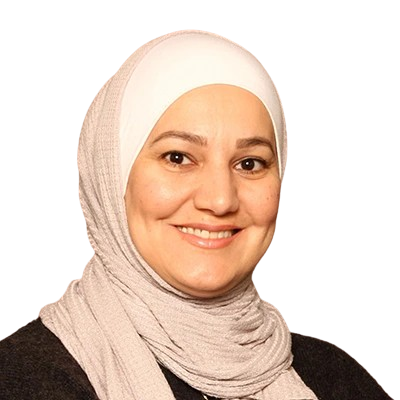
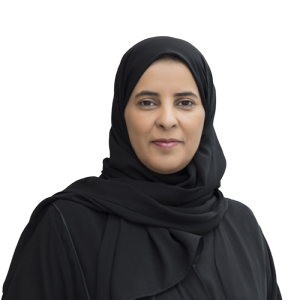
Asmaa Al-Fadala

Director of Research, WISE, Assistant Professor, College of Public Policy (Hamad bin Khalifa University)

Nidhi Singal

Professor of Disability and Inclusive Education, and Vice President of Hughes Hall College

Shruti Taneja-Johansson

Senior Lecturer

Aemiro Tadesse Mergia

Graduate of Inclusive Education from the University of South Africa

Niraj Poudyal

Assistant Professor of Economics

Omar Zaki

Senior Research Associate

Ali Sani Side

Dipesh Khadka

Lecturer at the School of Arts

Samah Al-Sabbagh

Academic Researcher and Trainer

Download the Full Agenda

Share The Report On

More on Learning Ecosystems and Leadership

Article

Beyond the Hype: Why Healthcare AI needs Law—and Human Capacity

Artificial Intelligence (AI) might revolutionise healthcare—but without robust legal frameworks, and without people trained to work alongside the technology, progress could stutter or even cause harm. AI already diagnoses illnesses, recommends treatments, and manages patient data. The law must evolve to govern not just isolated moments but the entire lifecycle of AI in healthcare–and medical […]

February 23, 2026
Dr. Barry Solaiman
Research Studies

Navigating Skills Adaptation: Integrating AI in Higher Education

“Navigating Skills Adaptation: Integrating AI in Higher Education” presents the first findings of the Global Consortium on Artificial Intelligence and Higher Education for Workforce Development, a collaborative research initiative led by World Innovation Summit for Education (WISE) and the Institute of International Education (IIE). Bringing together insights from seven countries, Qatar, Colombia, Ghana, India, Kazakhstan, Spain, […]

December 10, 2025
Research Studies

Demystifying AI: Preparing K-12 Teachers To Integrate AI Tools Into Their Practice

AI technologies have rapidly catalyzed major innovations and breakthroughs in recent years, particularly in generative AI (“genAI”), poised to transform education and workforce. This study by WISE in collaboration with the MIT pK-12 Initiative and MIT RAISE evaluates the effectiveness of short PD courses in preparing K–12 teachers to integrate AI into their teaching practices. The […]

December 10, 2025

stay Updated To WISE Publications

Join educators, innovators, and learners working together to reimagine learning for all.

Get Instant Access

Enter your email to unlock the full study and download the PDF report immediately.