
How Can We Improve the IB Middle Years Program?

I have been teaching the International Baccalaureate (IB) for ten years. In that time I have found it both frustrating and brilliant to teach. However, I have come to realize that the IB Middle Years Program (MYP) is missing content and skill development for most subjects. The reason may be because the IB is not […]
Why We Must Improve Teacher Diversity, and How to Get it Done

Growing up in rural Nebraska, all my teachers looked like me. They also shared many of my own experiences and perspectives since they, too, came from mostly White farm communities. Today, Nebraska is growing in diversity—with more than 120 languages spoken across its schools. Unfortunately, the teaching workforce doesn’t reflect this diversity, depriving many students […]
Why Schools Need to Do What Works

I want to see – as I am sure do you – an education system which allows every single pupil to flourish, no matter who they are or where they come from. Yet far too often we see the same story in schools across the globe: the poorest pupils – those who can’t afford […]
Securing the 21st Century Teacher Workforce: Global perspectives on teachers motivation, professionalism and retention

The Securing the 21st Century Teacher Workforce Project is an innovative co-created project led by University College London Institute of Education and STIR Education. The project explores how various jurisdictions, at different levels of education systems, strive to enhance the work and lives of teachers. The report draws on a recent literature review and jurisdictional […]
Collaborative Professionalism

The report advocates for collaborative professionalism –as compared to professional collaboration– as optimal for evolving a community of expertise and service among teachers, built on collegial solidarity, candid, thoughtful feedback and collective responsibility. Drawing from fully sketched portraits of several education communities globally, the research provides designs related to curriculum, pedagogy, assessment, and whole child […]
Flipping the Flipped Classroom

The flipped classroom model of teaching has been popular among educators around the world for about a decade, thanks both to faculty experimentation and the tremendous success of organizations such as Khan Academy, which make instructional videos available for teachers and students. This flipped model is built around recording lectures for consumption outside of class, with […]
Project-Based Learning: Bringing the Real World into the Classroom
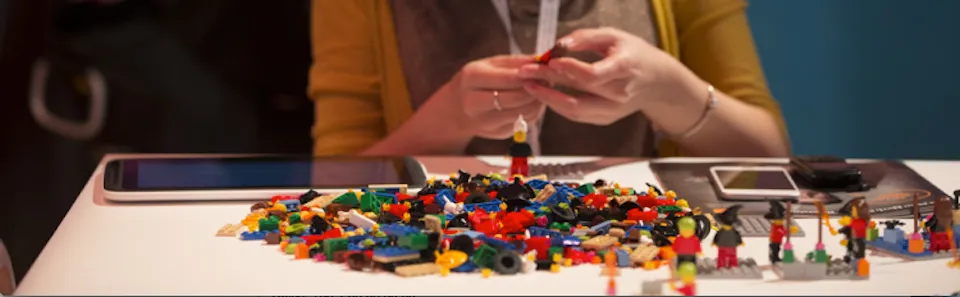
Project Based Learning (PBL) is nothing new, but it has recently resurfaced as a reliable and meaningful way to both engage all students and focus on deeper learning. Drawing on constructivist and experiential learning methods, PBL focuses students on meaningful task completion that is different from simply “doing projects” in the classroom. In fact, […]
Four Things Educators Need to Do to Make Gamification Successful in the Classroom

Over the last few years, educators have been hearing inspiring stories about how incorporating game design techniques into their learning programs have had positive results. The flip side to this story are the times when the results are disappointing and unintended consequences occur. So the question arises: how best can educators ensure that gamification improves […]
Bringing the Real World into the Classroom
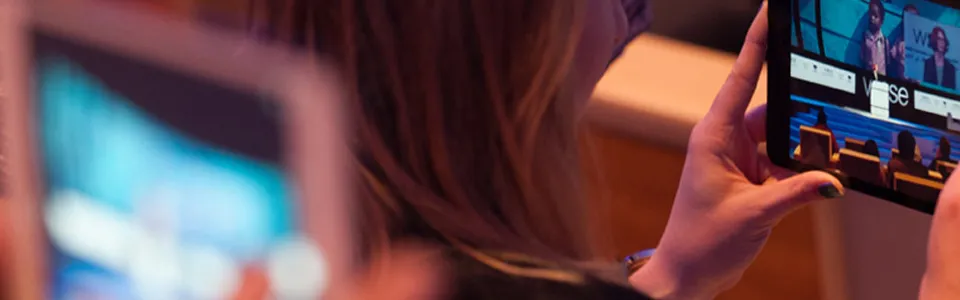
Teaching sixty students is challenging, but is also a gift. It is an opportunity to make a positive impact, no matter how small, on the students. I am a second year Teach for Qatar fellow teaching grade 7-math at a public school in Qatar. While exploring this opportunity for impact, I realized more than 50% […]
How Reflection Can Help Teachers Become More Effective

Research indicates that critical reflection makes a significant impact on a teacher’s knowledge, skills, and effectiveness (Brookfield 2004; Cranton, 1996; Willis, 1999). The skills of critical reflection now form the underpinnings of most teacher education programs internationally (Clarke & Otaky, 2006). Cranton (1996) argued the process of critical reflection allows individuals to identify and locate […]