
Using Less to Do More to Achieve Equity in Education
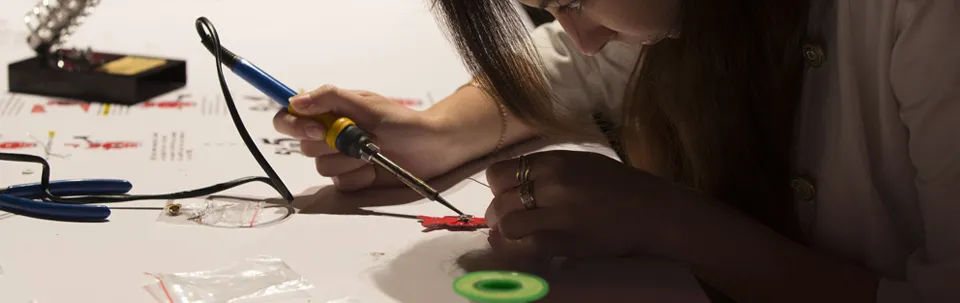
The average education budget in developing countries amounts to just $416.87 per child per year to cover everything from buildings to teacher salaries to books and administration. In the United States that budget is $12,296 per child per year. Meanwhile in Afghanistan the budget amounts to only $100 per year. As the majority of the world’s children live […]
Ensuring Equitable Access to Quality Education for Nomadic Populations
The proliferation of low-cost motorised transport, and the revolution in information and communication technology are rapidly making the remoteness of pastoralist and nomadic populations a thing of the past. Today, pastoralist associations call meetings over the phone. Herders charge their mobile devices directly in the bush from USB-equipped motorbikes. Market prices of livestock are […]
Risk-takers Needed: Scaling Innovation For Equity in Education
The American computer scientist and Rear Admiral Grace Hopper apparently had a clock on her wall that she deliberately ran anti-clockwise. A pioneer programmer, Hopper has been probably misquoted as saying, “The most dangerous phrase in the language is, “We’ve always done it this way.”‘ Hopper understood that nothing can progress or improve if […]
How Design Thinking Supports Innovation in K-12 Education

This article is a preview introducing the WISE-IDEO research report, “Thinking and Acting Like a Designer: How Design Thinking Supports Innovation in K-12 Education”. The WISE-IDEO report was written by a team of authors led by Dr. Laura Moorhead and Ms Sandy Speicher. The needs of the twenty-first century demand new approaches to learning. Today, […]
Are We Cheating With the Arts?
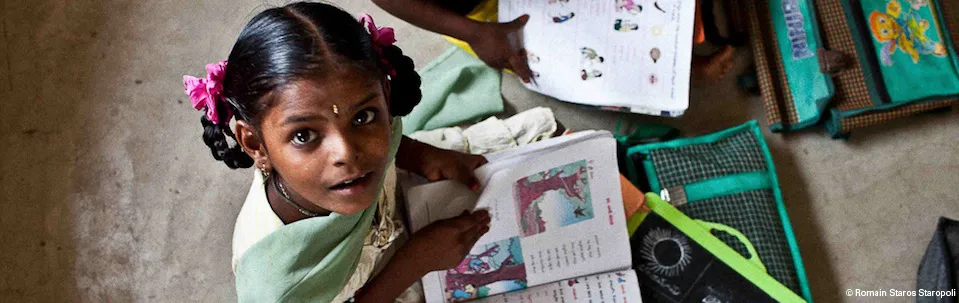
If you are a teacher on the 21st Century, chances are you know how important the arts are for education and academic achievement. Scientific research has been urgently pointing us to the rescue of artistic programs in schools, voicing out how the arts wire the brain for learning. “Music makes you better at Math”, is one […]
Empowerment Through Engagement: Lessons Learned
Three years ago, all of us at Orenda became fascinated by the idea of participatory development; the idea that those who were the beneficiaries of aid should be given the chance to design the solutions that best fit their needs. We came to Islamabad, fresh with the belief that we were ready to get the […]
Let Them Lead: Empowering Rural Youth Through Education
Before I started my one-year poverty alleviation service at Mendai, a remote mountain village 27-hour away by train from Beijing, I was talking to the local government officials. They told me I was wasting my time with those Hmong people: “I can assure you,” one of them said, “their whole lives are about waiting. […]
Bringing the Real World into the Classroom
Teaching sixty students is challenging, but is also a gift. It is an opportunity to make a positive impact, no matter how small, on the students. I am a second year Teach for Qatar fellow teaching grade 7-math at a public school in Qatar. While exploring this opportunity for impact, I realized more than 50% […]
Building Entrepreneurial Culture at Moroccan Universities
Entrepreneurship is the ability of an individual to move from idea to action. It entails creativity, innovation and risk-taking, as well as the ability to plan and manage projects to create value. Entrepreneurship training plays a key role in developing these abilities and behaviors, promoting self-employment at the same time. University entrepreneurship programs and modules […]
Scaling Up Cross-Sectoral Collaboration For Refugee Education
Today there are approximately 21.3 million refugees worldwide, over half of whom are under the age of 18. In parallel, the global average time a person spends in refugee camps is now 20 years. Regrettably, education in this context remains a second order priority, which means that refugee children are born and raised in suboptimal conditions for intellectual and […]