
Simple Questions, Complex Challenges
We have spent too many years now speaking of the need to transform the education model, a model that is failing to meet the needs of the third millennium. While many sectors are suffering disruption of their activities, the education sector seems to be comfortably ensconced in its ancestral ways. The small adjustments that […]
How Movement Improves Intelligence
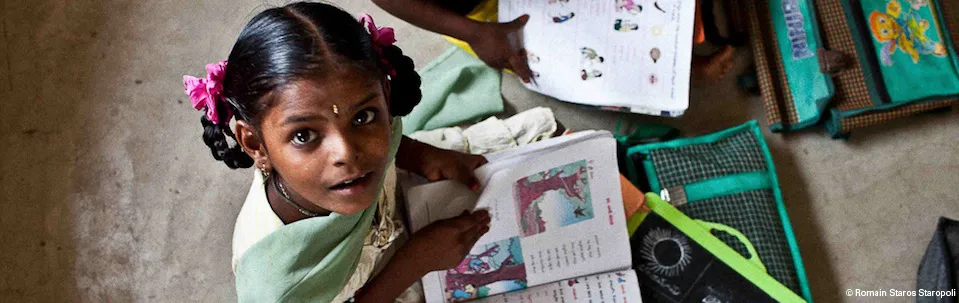
Want smarter kids? Let them move! In too many classrooms around the globe, children are expected to sit through the day while passively absorbing huge amounts of information. A quiet, almost petrified student has been synonymous with concentration and productivity. Sometimes, even sitting up is not enough; children are required to avoid any “unnecessary” noise […]
How Design Thinking Supports Innovation in K-12 Education
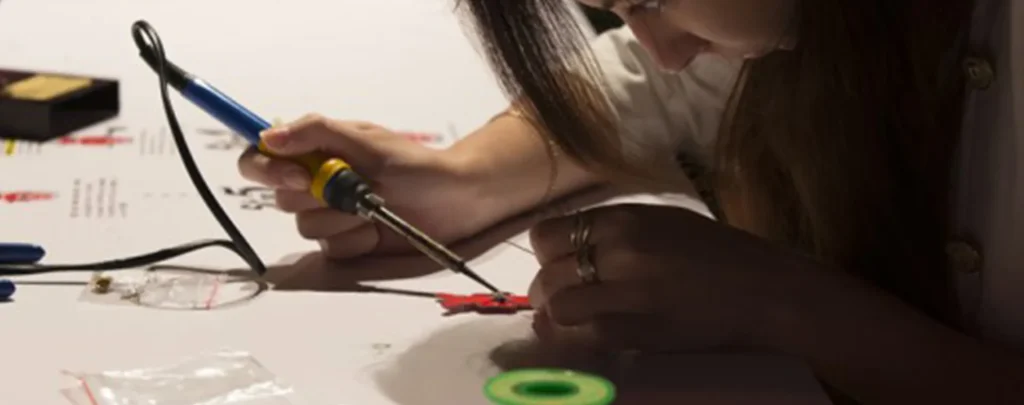
This article is a preview introducing the WISE-IDEO research report, “Thinking and Acting Like a Designer: How Design Thinking Supports Innovation in K-12 Education”. The WISE-IDEO report was written by a team of authors led by Dr. Laura Moorhead and Ms Sandy Speicher. The needs of the twenty-first century demand new approaches to learning. Today, […]
Are We Cheating With the Arts?
If you are a teacher on the 21st Century, chances are you know how important the arts are for education and academic achievement. Scientific research has been urgently pointing us to the rescue of artistic programs in schools, voicing out how the arts wire the brain for learning. “Music makes you better at Math”, is one […]
Empowerment Through Engagement: Lessons Learned
Three years ago, all of us at Orenda became fascinated by the idea of participatory development; the idea that those who were the beneficiaries of aid should be given the chance to design the solutions that best fit their needs. We came to Islamabad, fresh with the belief that we were ready to get the […]
Scaling Up Cross-Sectoral Collaboration For Refugee Education
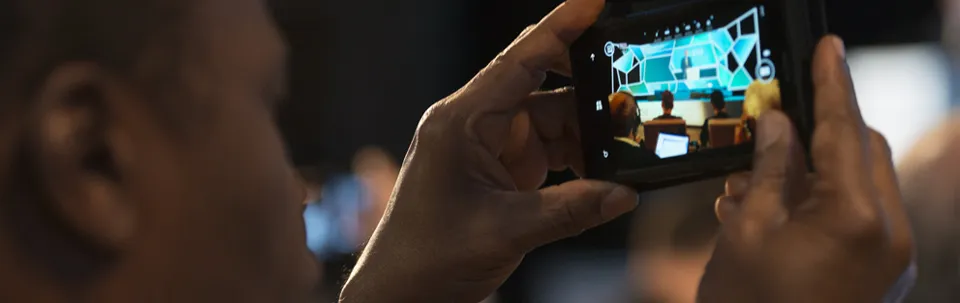
Today there are approximately 21.3 million refugees worldwide, over half of whom are under the age of 18. In parallel, the global average time a person spends in refugee camps is now 20 years. Regrettably, education in this context remains a second order priority, which means that refugee children are born and raised in suboptimal conditions for intellectual and […]
“Local is Lekker” – Innovation Is Best When It Is Local!
“Local is lekker” is the South African way of saying ‘things from home are usually the best’ (my paraphrase of the meaning). This phrase can apply to anything from sport, to food or culture. I really think that “local is lekker” when it comes to innovation in education too. Innovation one of those buzz words […]
Refugee Crisis: Education Aid is Only a Click Away
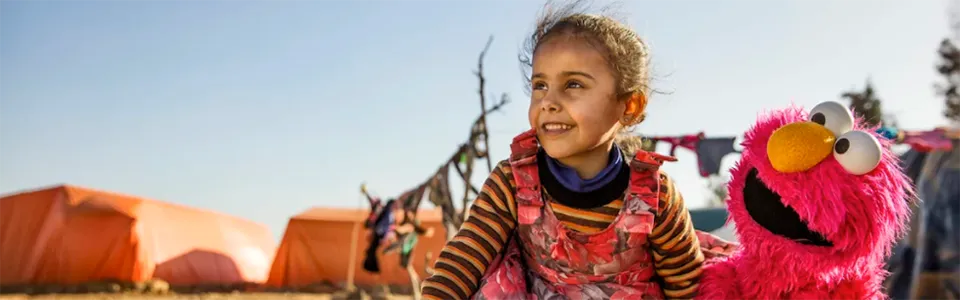
I often find my daily news feed packed with harrowing visuals and reports of people risking their lives in search of a better life. Emergencies – natural and manmade – big and small – are forcing millions to flee their homes, cities and countries for foreign lands. We are witnessing the highest levels of displacement […]
Best Practices for Running Schools in Refugee Camps
The disruption of education for Syrian children has been one of the worst consequences of the six- year conflict. Years of schooling lost directly correlate to poorer employment prospects and increased social disadvantages in years to come. The Jusoor program is one of a few NGO initiatives that directly address this huge need by providing non-formal […]
Education Technology for Rapid Response
Despite increased access to primary education in many countries, the number of out-of-school children (OOSC) and adolescents rose from 122m in 2011 to 124m in 2013. Globally, 250m children cannot read, write or count, despite many having been in school for years. The proportion of children who do not complete primary education who come […]