
Geographic Lotteries of Learning
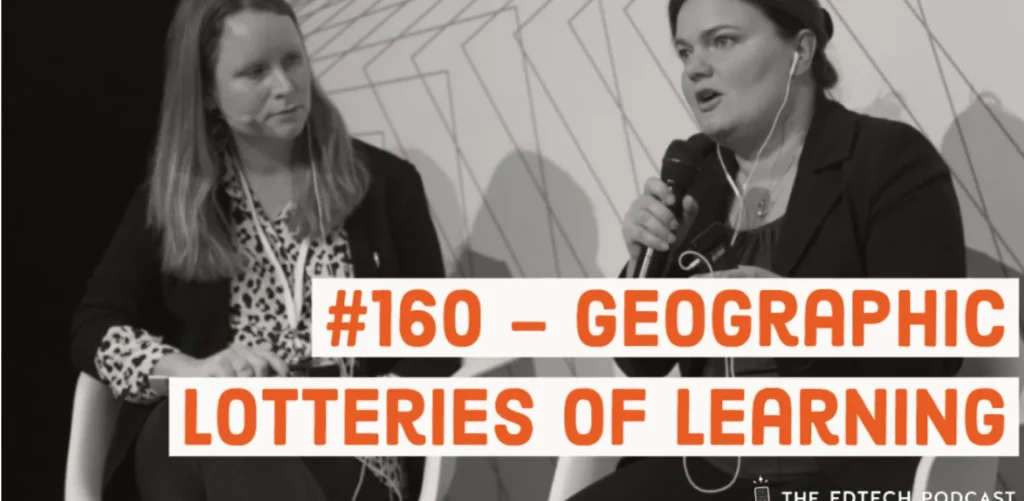
Note: This article has been lightly edited and was originally published in the Edtech Podcast on August 28, 2019 [link] What’s in this episode? This week we throwback to a second recording from this year’s WISE@Paris. In this episode you’ll hear from two speakers on the topic of the future of learning, Heidi Harju-Luukkainen, Professor, […]
Students Can’t Wait 500 Years for Fairness

Note: This article was originally published in TES on July 30, 2019 [link] Each year, the Education Policy Institute reports on the gaps between disadvantaged pupils and their peers. This has become our annual picture of how fair our education system is and how well we are doing at ensuring that it enables every child […]
Three Steps to Become an Author of Open Educational Resources

Note: This article was originally published in the Observatory of Educational Innovation, by Tecnológico de Monterrey on July 29, 2019 [link] Every academic year, educators generate countless educational materials that they share with their students. Unfortunately, most of these valuable resources end up in a drawer. Few teachers realize that their teaching materials can be […]
When It Comes To Blockchain, Education May Need To Wait For The Next Generation

Note: This article was originally published in Forbes [link] There is considerable excitement around the potential for blockchain technology to transform the way we learn – ushering in the next generation of education innovation. Headlines breathlessly announce blockchain’s potential to disrupt education, blockchain speakers routinely receive top billing at industry conferences, and according to HolonIQ, roughly […]
Finding Our Voices Through Creative Writing

Writing is a practice as old as some of our ancient civilizations – it has been taught and practiced for centuries and long served as a gateway for creativity. Creative writing is not all that new, has developed massively within English-speaking countries and is gaining momentum around the world. Using creative writing with youth as […]
Building Intercultural Understanding Through Music
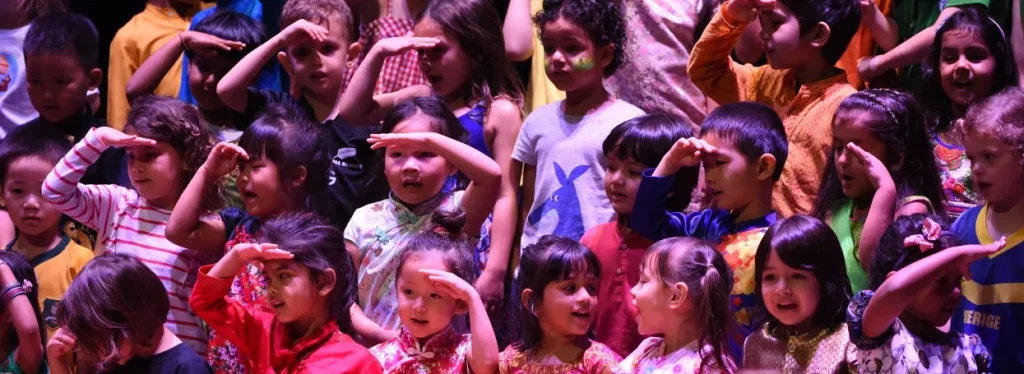
This post was originally published on UWCSEA | International school in Singapore. Uniting Nations Day at East Campus Each December, over 1000 Primary School students on East Campus come together to showcase the amazing and diverse learning that happens in our Primary School Music program. Uniting Nations Day at East is a celebration of our community’s diversity […]
Formulating Language Policies for Globalized Contexts

Decisions about languages to teach and use as part of formal schooling directly impact educational outcomes globally. They influence the accessibility of content and create implicit messages about whether students’ heritages and identities are welcome and capable of succeeding at school. Current language policies in many contexts negatively impact educational opportunities for indigenous and migrant […]
An International Movement Calls for Greater Investment in School Leaders
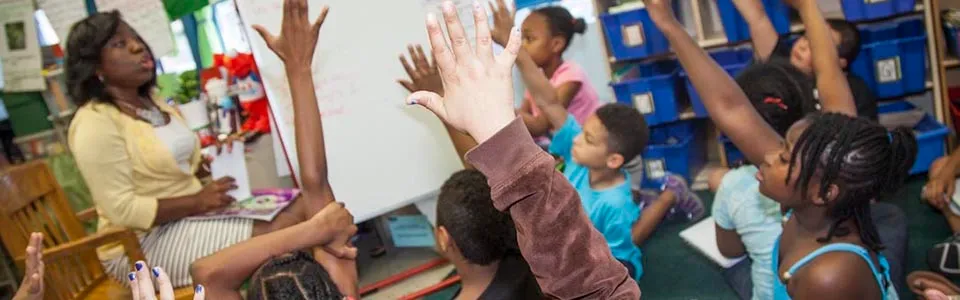
This article was originally published on NYC Leadership Academy. While schools in Nairobi face different challenges from schools in Hong Kong or India or the U.S., there is increasing agreement across contexts that to transform schools, you need great school leaders. An international movement is growing to increase and improve school leadership by calling for more […]
The Power of Comics to Build Resilience

Did you know that Superman, one of the most iconic heroes, is a refugee? His parents sent him to Earth as a baby when his home planet Krypton was destroyed. He was raised up by a kind couple living on a farm in Kansas. The acclaimed graphic novel, Persepolis, discusses the challenges of leaving your […]
A Framework for Bridging the Education Divide in India
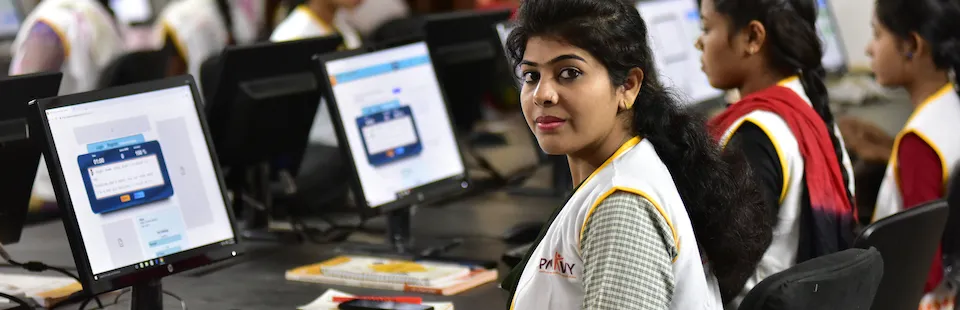
The advancements in technology have been instrumental in revolutionizing education across the world, raising literacy rates, lifting millions out of poverty and providing them with better job opportunities. While transformational this phenomenon has largely benefitted the developed economies with advanced infrastructure. The majority of the developing and under-developed countries with large rural populations lack robust […]